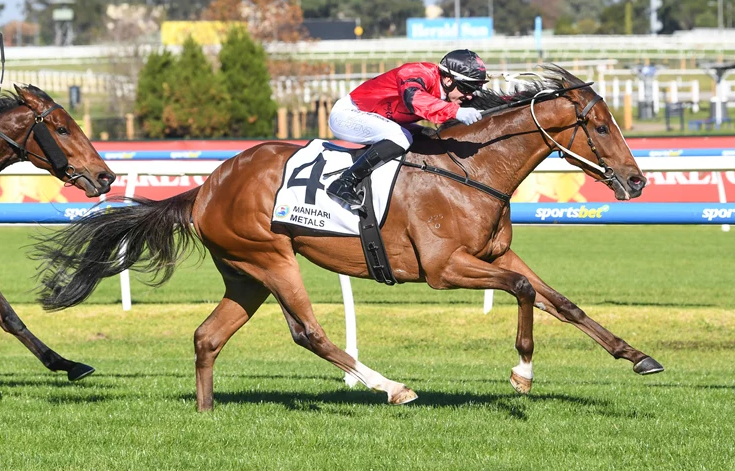
Understanding a horse’s body language is crucial for predicting its performance. Subtle cues, such as ear positioning and muscle tension, reveal much about a horse’s emotional state and readiness to compete. Observers can gain insights into a horse’s mood and confidence through these indicators. Yet, the intricacies of these signals often go unnoticed, leading to missed opportunities for enhancing performance. What other aspects of a horse’s behavior can further illuminate its readiness?
The Importance of Observing Ear Position
Ear position serves as a critical indicator of a horse’s emotional state and attentiveness.
Horses utilize ear signaling to convey their feelings, directing focus towards potential stimuli. Forward-facing ears suggest curiosity or interest, while pinned ears indicate discomfort or aggression.
These communication cues are essential for understanding a horse’s intentions, enabling a deeper connection between horse and handler, ultimately fostering a sense of freedom in their interactions.
See also: Exploring the World’s Oldest Horse Races
Decoding Muscle Tension and Relaxation
While observing a horse’s body language, muscle tension and relaxation provide crucial insights into its overall well-being and emotional state.
Elevated muscle tension often indicates anxiety or discomfort, negatively impacting performance prediction. Conversely, a relaxed posture signals confidence and readiness, suggesting optimal performance potential.
Understanding these nuances enables horse enthusiasts to foster an environment where freedom and comfort enhance the horse’s capabilities.
Tail Movement as an Emotional Indicator
Tail movement serves as a powerful emotional indicator in horses, reflecting their state of mind with remarkable clarity.
Tail swishing often signifies agitation or frustration, while elevated tails indicate excitement or alertness.
Observing these subtle cues provides insight into a horse’s emotional landscape, allowing handlers to respond appropriately.
Understanding this dynamic fosters a deeper connection, enabling both horse and rider to experience true freedom in their interactions.
Understanding Spatial Awareness and Movement Patterns
Understanding how horses perceive their surroundings is key to interpreting their behavior and movement patterns.
Their spatial orientation allows them to navigate environments, influencing movement dynamics significantly.
Observing how horses adjust their bodies in relation to obstacles reveals their awareness and confidence.
This insight into their spatial interactions not only enhances training methods but also fosters a deeper connection between horse and rider, promoting freedom in performance.
Conclusion
In the intricate dance between horse and handler, a horse’s body language serves as a silent symphony, revealing the emotional melodies that underpin its performance. By attuning to the subtle cues of ear position, muscle tension, and tail movement, handlers can interpret the unspoken narrative of their equine partners. This heightened awareness not only fosters a deeper connection but also enhances performance, transforming the arena into a stage where trust and understanding take center spotlight.